Proven Impact
Not projections. Not plans. What’s already built, already operating, and already changing how students in St. Louis learn.
“Real skills, real confidence, real-world relevance.”
Computer Science, Grown in the Greenhouse
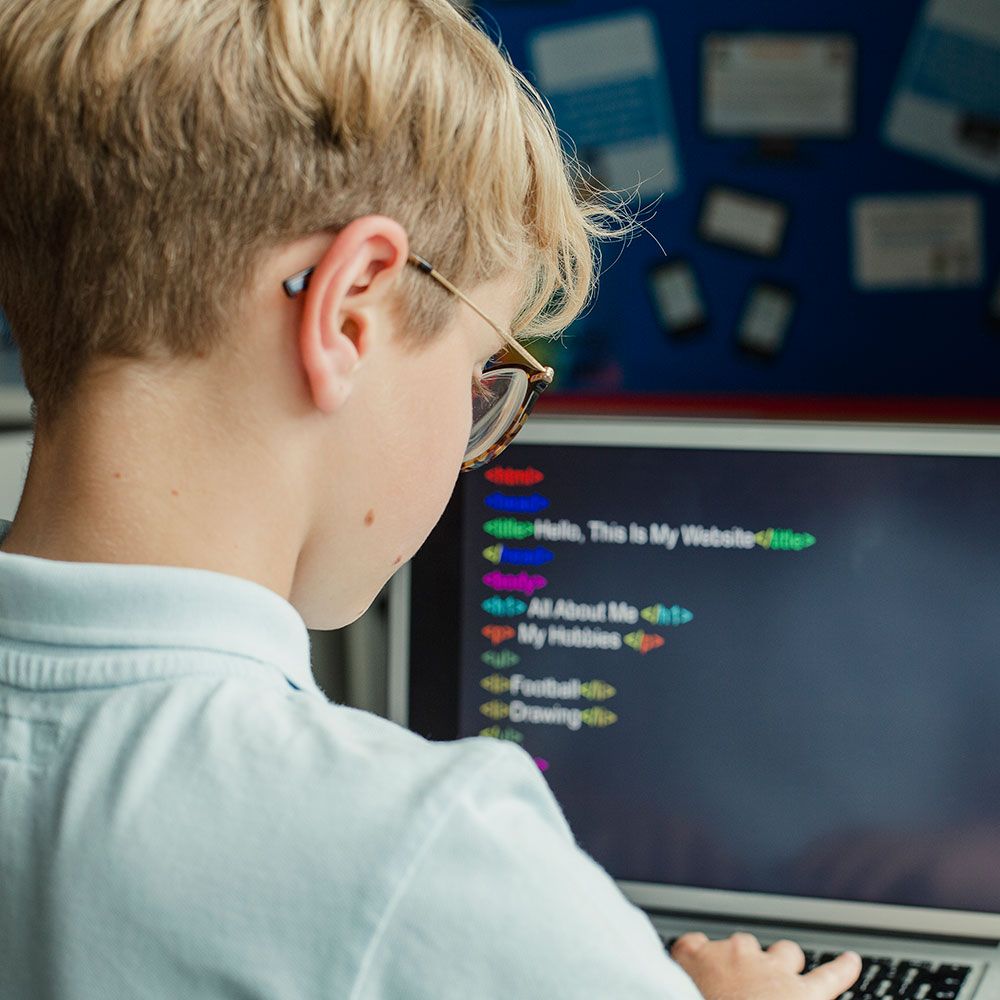
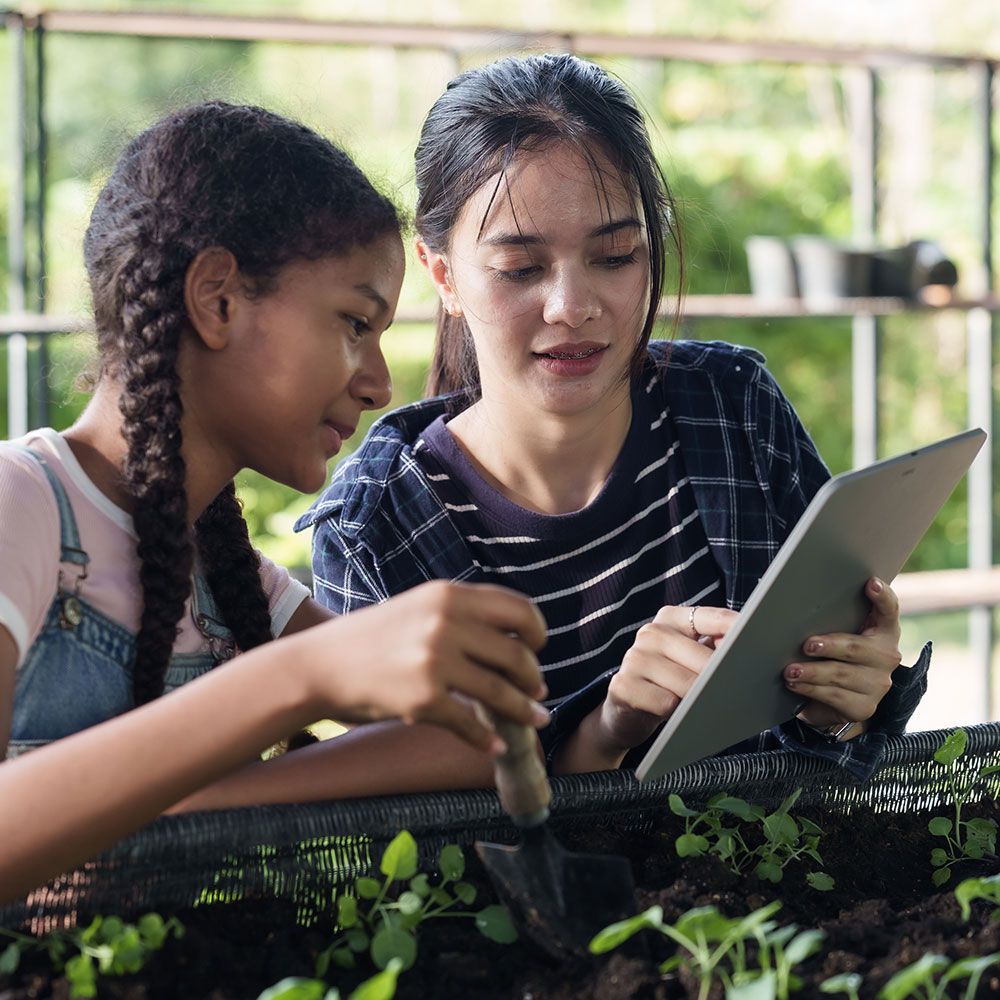
In 2025, Hazelwood School District students without prior programming experience completed a 7-course, cumulative Python curriculum — using professional tools (PyCharm and Visual Studio Code) on school-issued Chromebooks, entirely with free, open-source software. Each course solved a problem a real greenhouse would actually face: classifying water pH, tracking soil moisture against rainfall, surveying sensor zones, and building a data pipeline a facility manager could open in a spreadsheet. By the end, every student held a portfolio of 6 working programs. The pilot proved the model — and laid the foundation for the full Smart Agriculture pathway now launching for 2026–27.
Learning Happens in Greenhouses and Libraries and Everywhere Between
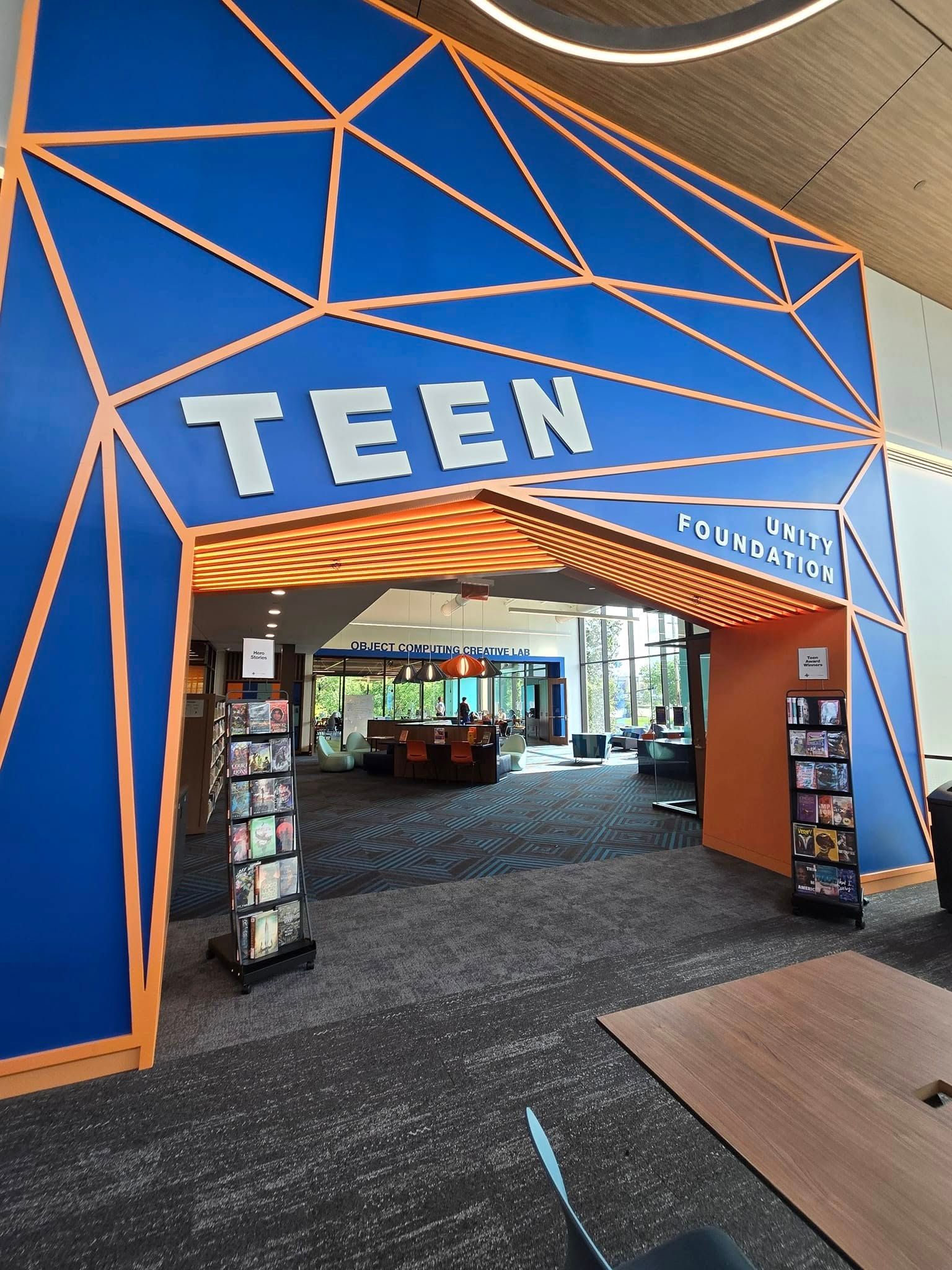
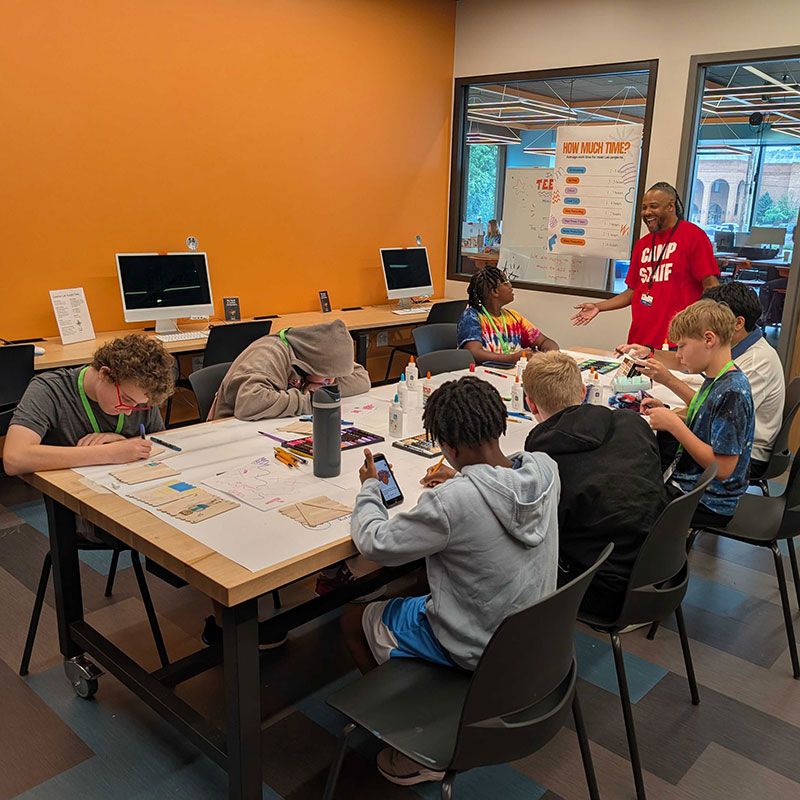
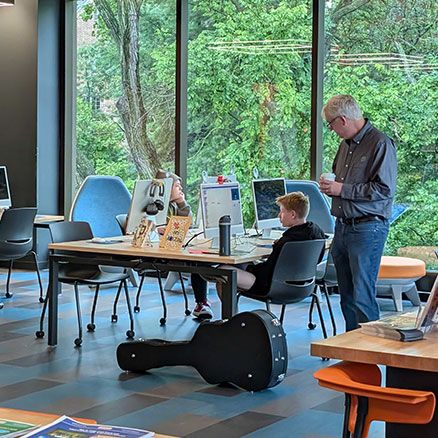
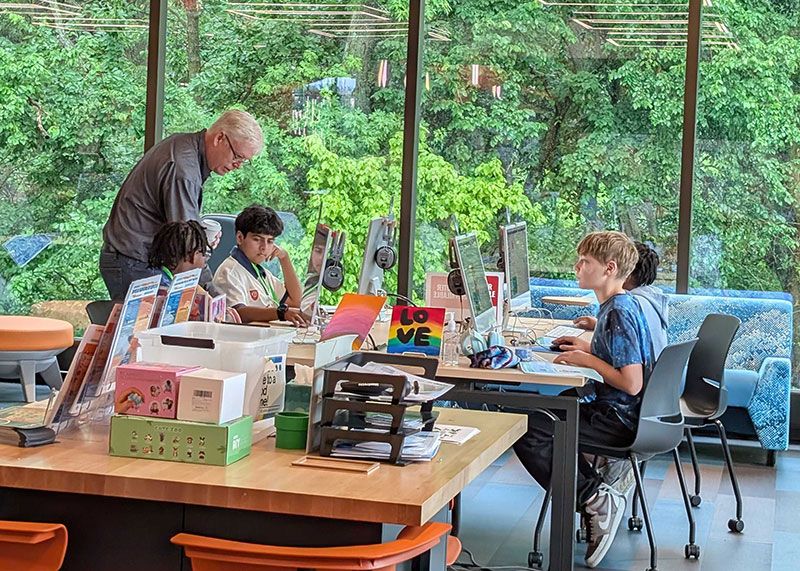
At the Clark Family Branch of the St. Louis County Library, the 5,400-square-foot Teen Creative Lab provides a dedicated environment for hands-on learning. Students design, code, record, and experiment in a space built for exactly that — including a recording studio, green screen corner, 3D printers, a large-scale printer, a design studio, a gaming room, and 15 workstations. Unity Foundation sponsored and advised on the inclusion of this lab as a public resource for youth across St. Louis County.
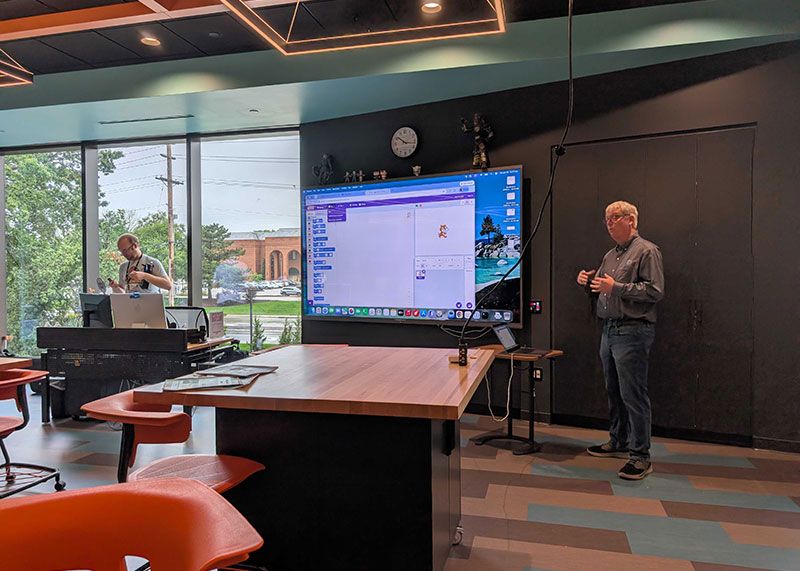
During summer camps at the Teen Creative Lab, students built custom Pong games with scoreboards, created interactive stories using Scratch, and built their own Raspberry Pi-powered retro gaming devices to take home. Upcoming programming will teach students to leverage PhET open-source simulations — spanning physics, math, statistics, earth science, biology, and chemistry — for experiments that connect to real-world validation.
Unity Volunteers Support Summer Learning at Clark Family Branch
Unity Foundation volunteers supported the St. Louis County Library’s free Explorer Camps at the Clark Family Branch, helping youth ages 12–15 explore technology through hands-on learning. During Friday technology sessions, Unity volunteers introduced campers to practical, engaging digital experiences designed to build curiosity, creativity, and confidence with technology.
Multiple Unity volunteers worked directly with campers throughout the sessions to lead technology-based activities, including hands-on learning with Scratch programming, and PhET which is an interactive simulation tool for teaching STEM. Their participation reflects Unity’s commitment to connecting young people with professionals who can make technology approachable, relevant, and fun while helping students discover new skills and possibilities for their futures.
Training the Teachers Behind the Technology
In two Summer 2025 sessions with Maryville University, roughly 20 St. Louis-area PK-12 teachers per session — 40 in total — trained on integrating open-source tools into their own classrooms. The partnership continues today through Maryville’s Center for Access and Achievement.
Building Local Pathways
The Unity Foundation works with the St. Louis Internship Program (SLIP) to ensure local high school talent have the opportunity to move beyond the classroom.
In 2025, a rising senior from STEAM Academy at McCluer South-Berkeley High School completed an eight-week summer internship with the Unity Foundation — engaging in research, professional shadowing, and teacher training support. She left with the confidence and practical experience to step into a student leadership role at her school.
Impactful Internships
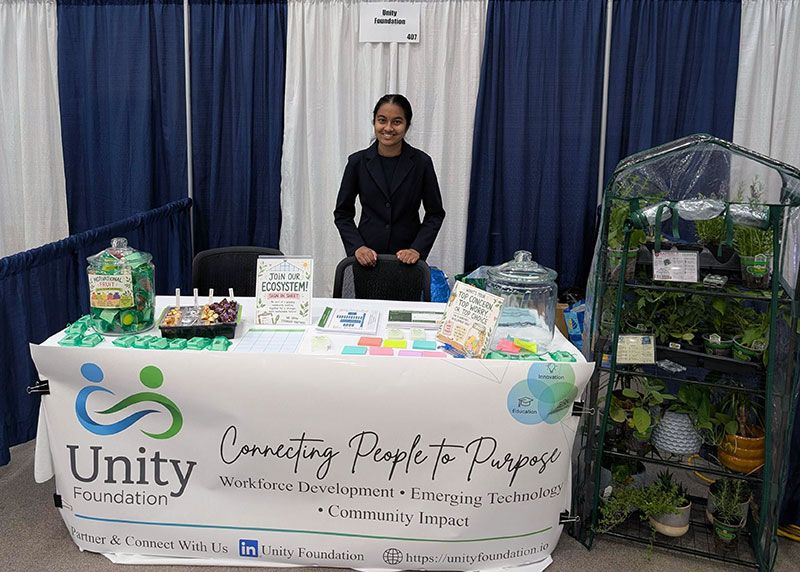
In 2026, Keerthi T. represented Unity at the Armed Forces Communications & Electronics Association TechNet Midwest conference as a part of her eight-week internship, engaging attendees around workforce development, emerging technology, and community impact.
Experiences like this give interns the opportunity to build professional confidence, communicate their work to industry leaders, and see firsthand how their contributions connect to the broader workforce and technology ecosystem.
Open Computing Commons
Every tool we create is open source, transparent, and freely adaptable. Libre311, an Apache-licensed platform for civic issue reporting; the DDS Permissions Manager, which secures real-time data sharing; and the Digital Provider Directory, which connects community services — are already in active use today across cities, schools, and organizations. Every contribution strengthens the entire ecosystem — and removes the vendor lock-in that limits so many traditional workforce systems.